
Vagus Nerve & Vagal Tone
How vibroacoustic waterbed sessions help reset your nervous system, deepen relaxation and naturally improve vagus nerve tone.
What Is the Vagus Nerve?
The vagus nerve is the main highway of your parasympathetic nervous system, often called the “rest and digest” branch. It runs from your brainstem through your throat, heart, lungs and digestive organs, constantly sending messages between your body and brain.
When the vagus nerve is functioning well and you have high vagal tone, your body can switch out of stress mode more easily. Your heart rate slows, digestion improves, your breath softens and your mind feels calmer. When vagus nerve tone is low, it is often linked with:
- Chronic stress and anxiety
- Poor sleep and restless nights
- Digestive issues and gut tension
- Feeling “stuck” in fight, flight or freeze
- Emotional reactivity and exhaustion
What Is Vagal Tone?
Vagal tone is a way of describing how flexible and responsive your vagus nerve is. Healthy vagal tone means your system can move from activation back to relaxation smoothly. It is less about never feeling stressed and more about how quickly you come back to balance after stress.
Improving vagal tone supports:
- More stable mood and emotional regulation
- Better sleep quality and deeper rest
- Improved digestion and gut-brain harmony
- Reduced inflammation and tension in the body
- A greater sense of safety, connection and openness
How to Improve Vagus Nerve Tone Naturally
There are many simple, natural ways to stimulate the vagus nerve and strengthen vagal tone. Some of the most effective include:
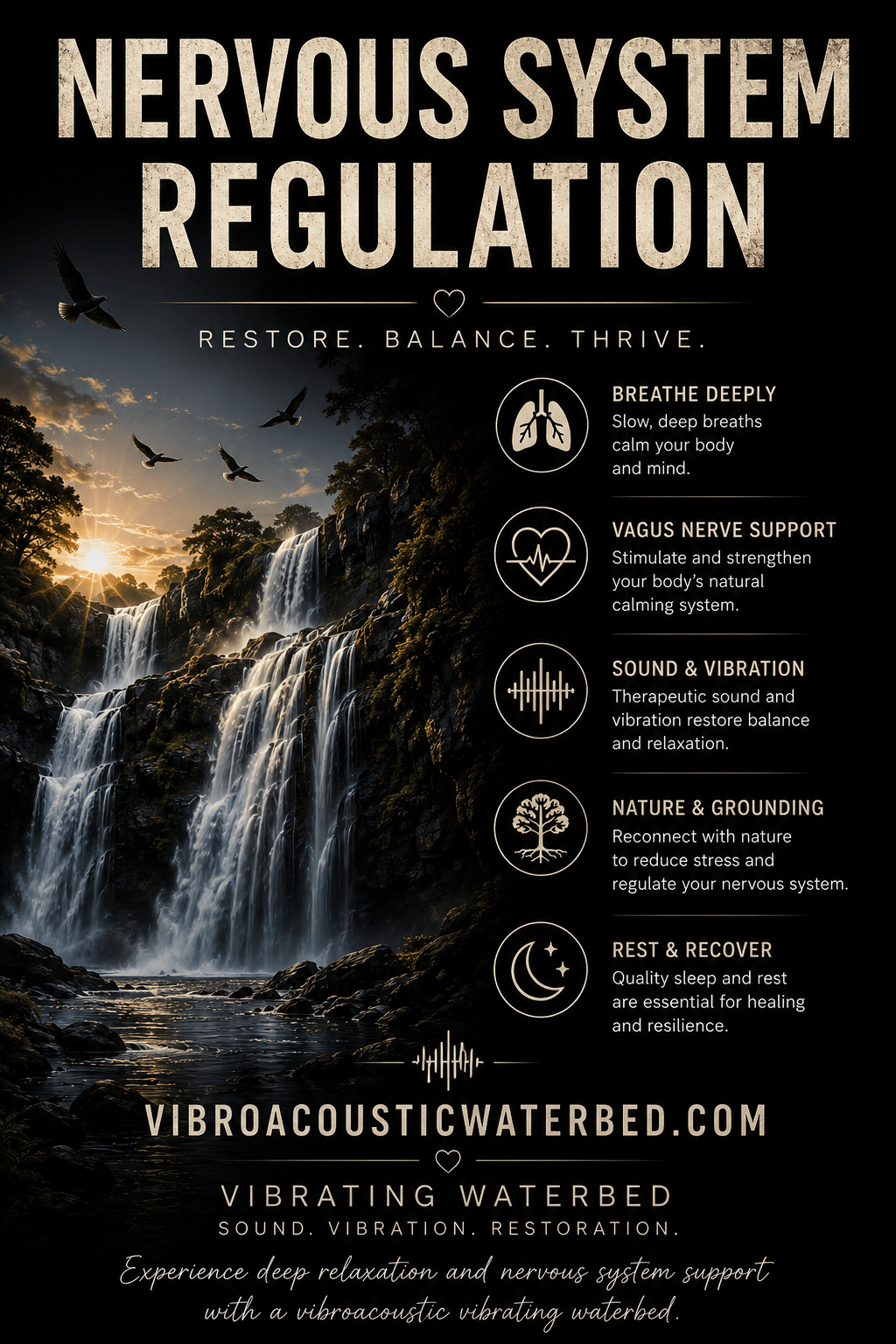
1. Slow, Coherent Breathing
Breathing slowly into the belly, especially around 5–6 breaths per minute, sends a clear message of safety to your nervous system. Each gentle exhale is like pressing the “vagus nerve reset” button.
2. Sound, Vibration & Frequency
The vagus nerve responds deeply to sound and vibration, especially around the chest and diaphragm. Low-frequency vibrations can soothe the body from the inside out, shifting you from anxiety and activation into calm presence.
3. Cold Water & Gentle Stimulation
Splashing the face with cool water, taking short cold showers or placing something cool on the neck can activate the vagus nerve and help regulate the heart and breath.
4. Connection, Touch & Heart Awareness
Safe, loving connection naturally boosts vagal tone. Simple practices like placing a hand on your heart, feeling gratitude and connecting with others in a calm environment all support a regulated nervous system.
Vibroacoustic Waterbed & Vagus Nerve Tone
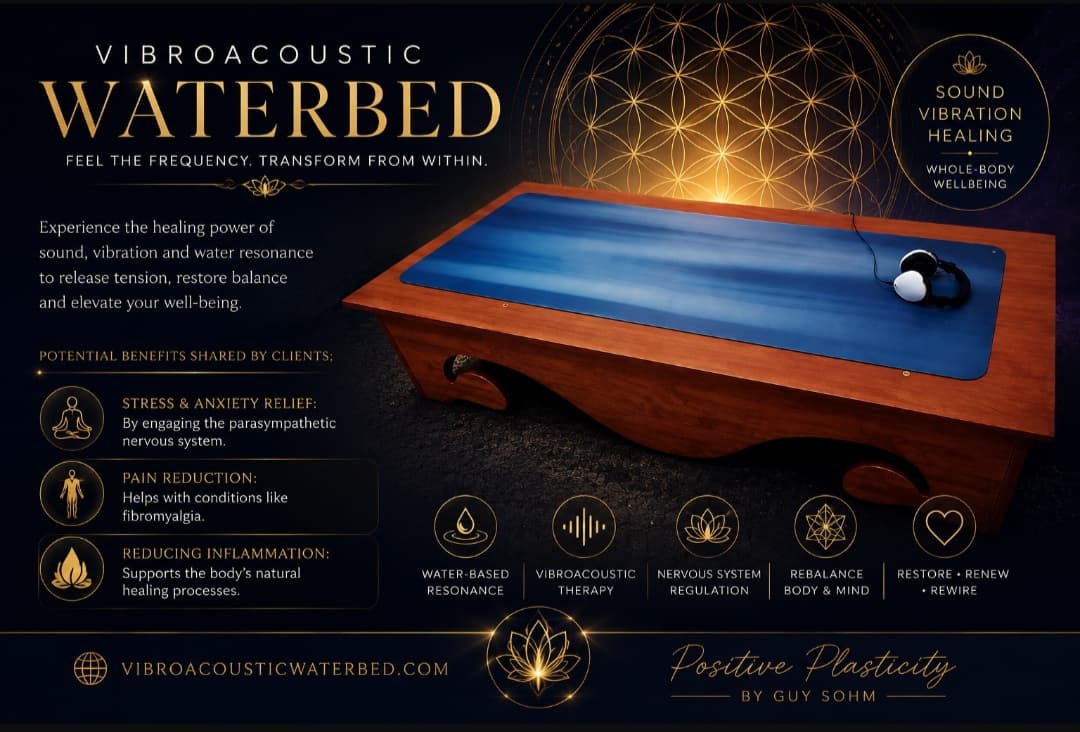
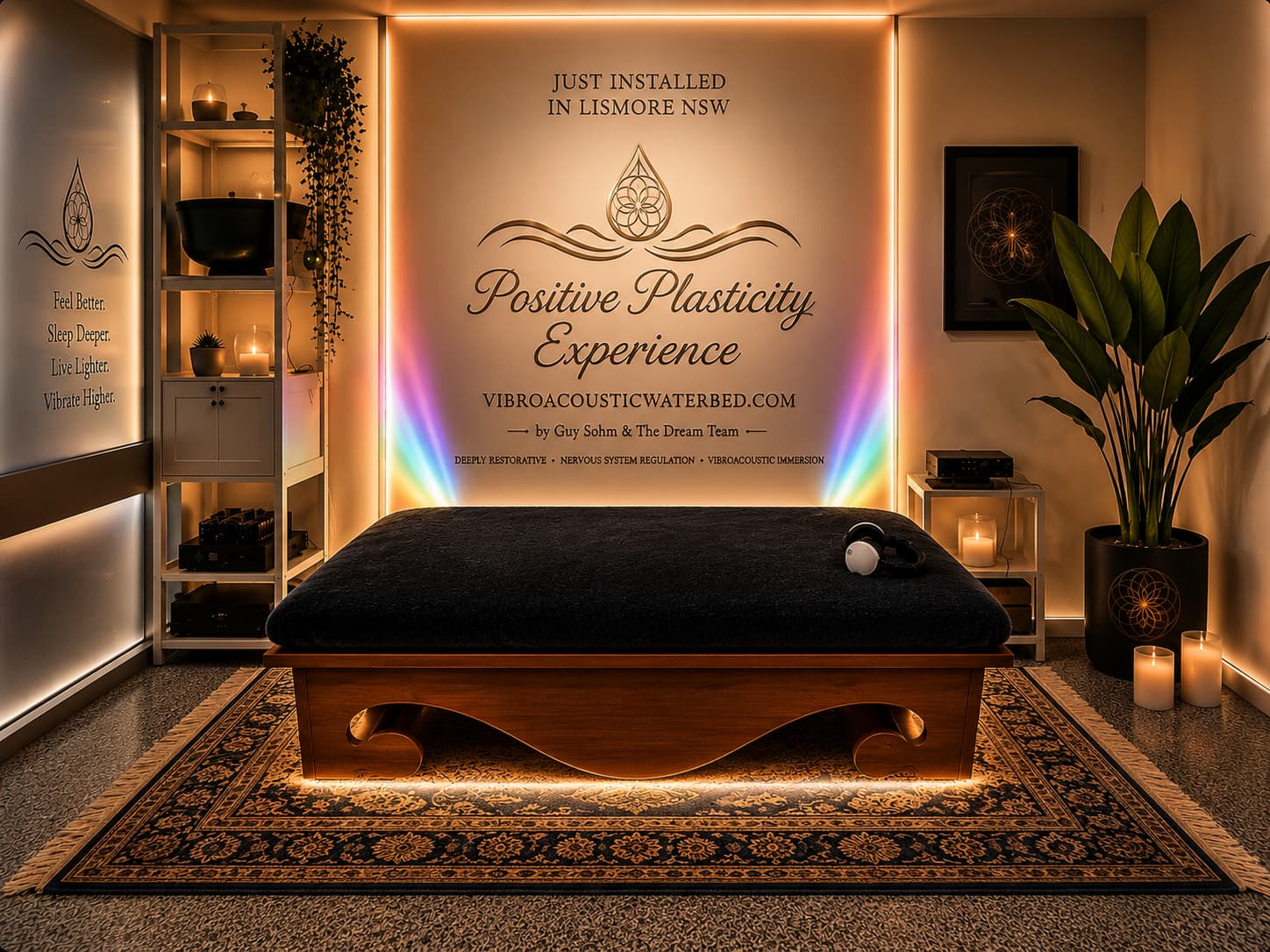
A vibroacoustic waterbed combines warm water, music and low-frequency sound vibrations to gently massage the body from the inside. As the frequencies travel through the water, your entire system receives a full-body sonic treatment.
Buy Vibroacoustic WaterbedFor the vagus nerve, this style of session can be especially powerful:
- The body is fully supported, giving your nervous system permission to soften and let go.
- Low-frequency waves soothe the diaphragm, chest and abdomen—key areas of vagus nerve activity.
- Carefully chosen music and tones calm the mind, supporting heart coherence and emotional balance.
- Breath, body awareness and sound work together to guide you into deep parasympathetic rest.
Signs Your Vagus Nerve Tone Is Improving
As you support your nervous system consistently with practices like breathwork, vibration, sound and heart awareness, you may begin to notice:
- Faster recovery after stressful events
- More stable and grounded energy throughout the day
- Improved digestion and appetite
- Softer jaw, shoulders and neck tension
- Deeper sleep and more restorative rest
- A natural feeling of openness, connection and emotional resilience
Creating a Vagus Nerve Friendly Lifestyle
Strengthening vagal tone is a gentle, ongoing journey rather than a quick fix. Combining nervous system education with embodied practices creates lasting change. Helpful foundations include:
- Regular slow breathing and mindfulness
- Time in nature and grounding the body
- Sound healing, music and vibroacoustic sessions
- Nourishing, whole foods and good hydration
- Healthy boundaries, rest and quality sleep
- Honest communication and emotionally safe relationships
When your vagus nerve feels supported, your whole life feels different. You move from survival mode into a state of regulation, creativity and connection—where your body, heart and mind can work together in harmony.