Deb Dana & Polyvagal Theory
A heart-centred guide to nervous system regulation, felt safety, co-regulation, glimmers, anchors and the gentle return to connection.
Why Deb Dana’s Work Matters
Deb Dana has helped make Polyvagal Theory easier to understand and apply in everyday life. Her work reminds us that many emotional reactions are not personal failures. They are nervous system responses.
Anxiety, shutdown, overwhelm, people-pleasing, anger, numbness and avoidance can all be protective patterns. The body is not trying to sabotage us. It is trying to protect us.
When the body begins to feel safe, the heart can soften, the breath can deepen, and life can feel possible again.
Polyvagal Theory in Simple Human Language
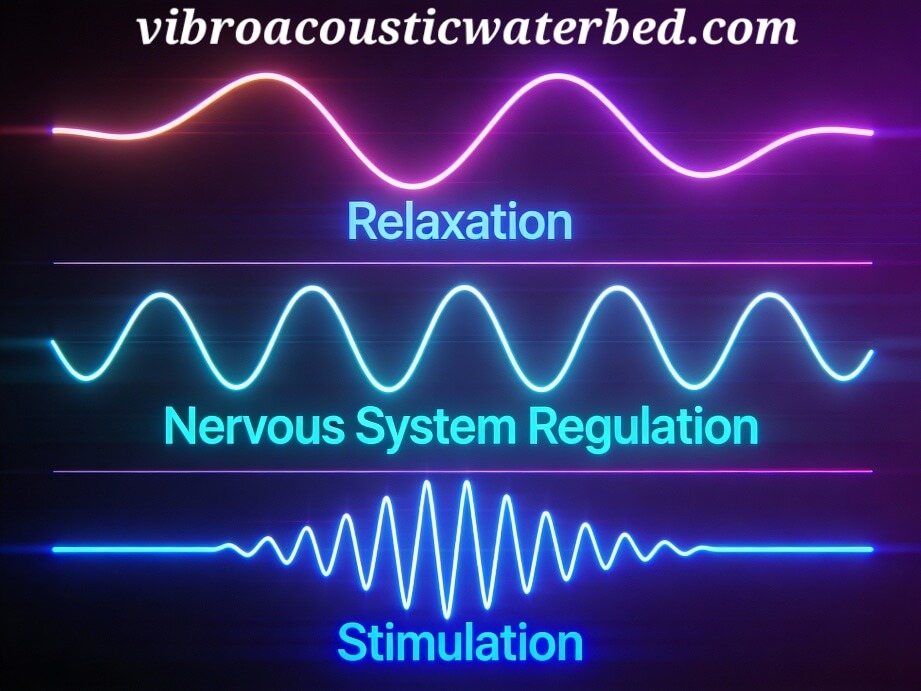
Polyvagal Theory explores how the autonomic nervous system moves between different states: connection, mobilisation and shutdown.
Ventral Vagal
Calm, connected, present, social, creative and able to relate with warmth.
Sympathetic
Fight, flight, urgency, anxiety, anger, racing thoughts and restless energy.
Dorsal Vagal
Shutdown, numbness, collapse, disconnection, exhaustion and withdrawal.
The Nervous System Ladder
Deb Dana often describes the nervous system like a ladder. We naturally move up and down. The goal is not to be calm all the time. The practice is learning how to notice where we are and gently return toward safety and connection.
Three Key Ideas
1. Neuroception
Neuroception is the body’s automatic scanning for safety, danger or life-threat. This happens below conscious thought. Before the mind says “I’m okay” or “I’m not okay,” the body has already begun responding.
2. Co-Regulation
Humans are wired to regulate through safe connection. A gentle voice, kind eyes, steady presence, warmth, rhythm, music, animals and nature can all become cues of safety.
3. Glimmers
Glimmers are tiny moments where the body feels a little safer, softer or more connected. A deeper breath. A bird call. A smile. A hand on the heart. A warm feeling in the chest. These small moments matter.
Nervous System Care Stacking
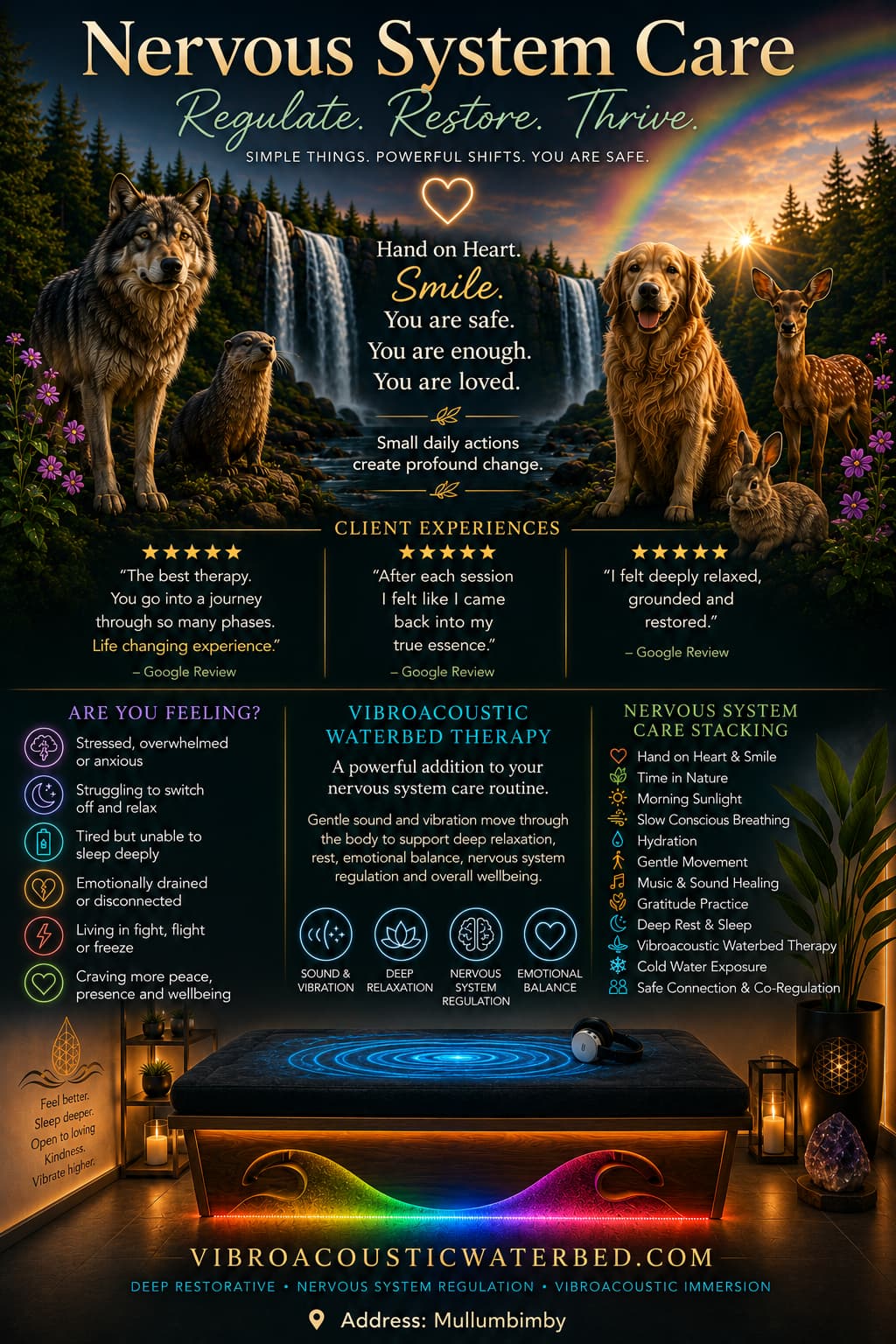
Regulation often works best when we gently stack small supportive practices together. Simple things, repeated with love, can become powerful shifts.
Body Anchors
- Hand on heart and smile
- Slow conscious breathing
- Gentle movement
- Hydration and nourishing food
Nature Anchors
- Morning sunlight
- Waterfalls, ocean or forest
- Animal connection
- Grounding with bare feet
Sound Anchors
- Music and sound healing
- Gentle rhythm
- Soothing voice
- Vibroacoustic Waterbed Therapy
Vibroacoustic Waterbed Therapy & Felt Safety
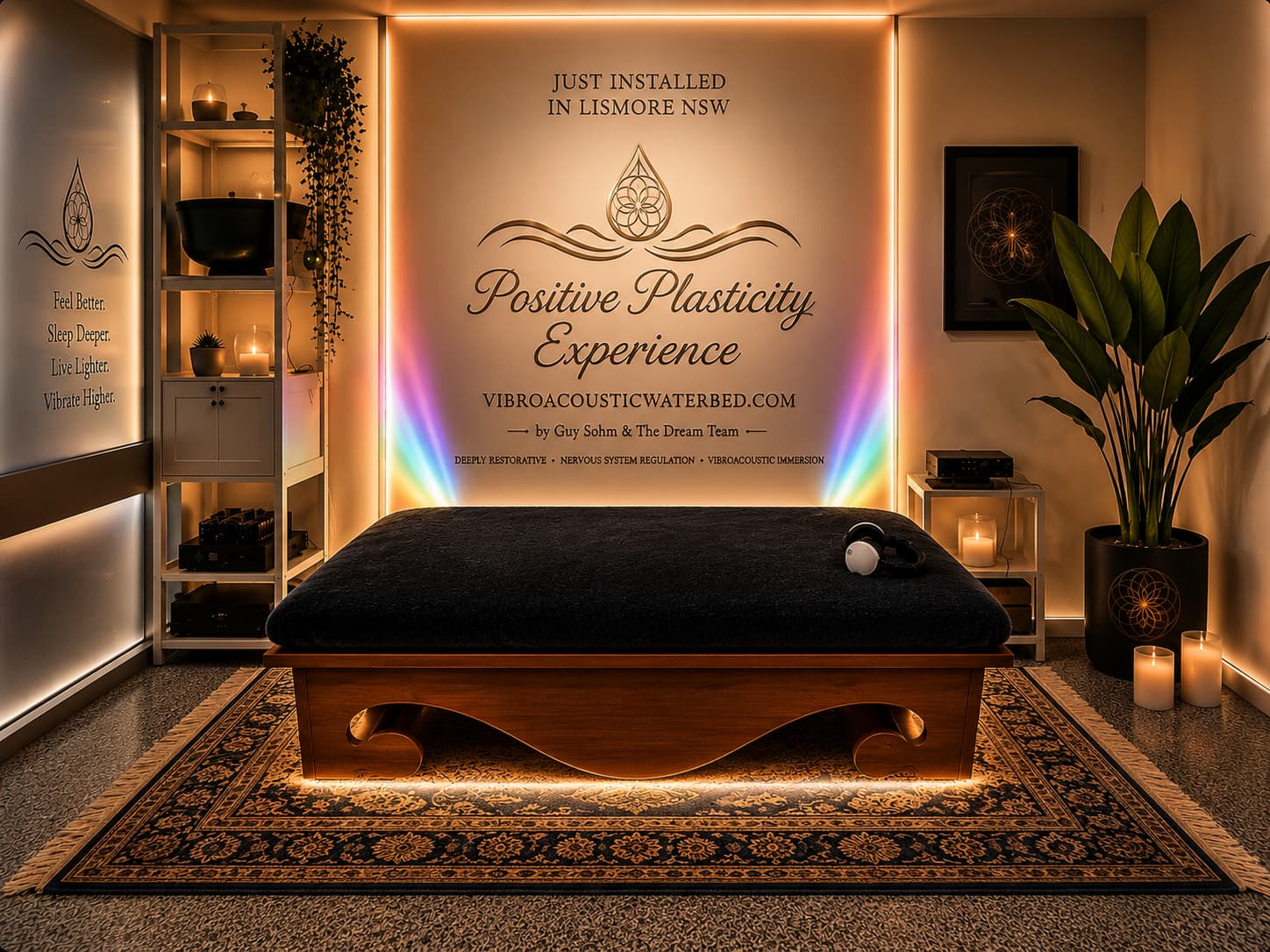
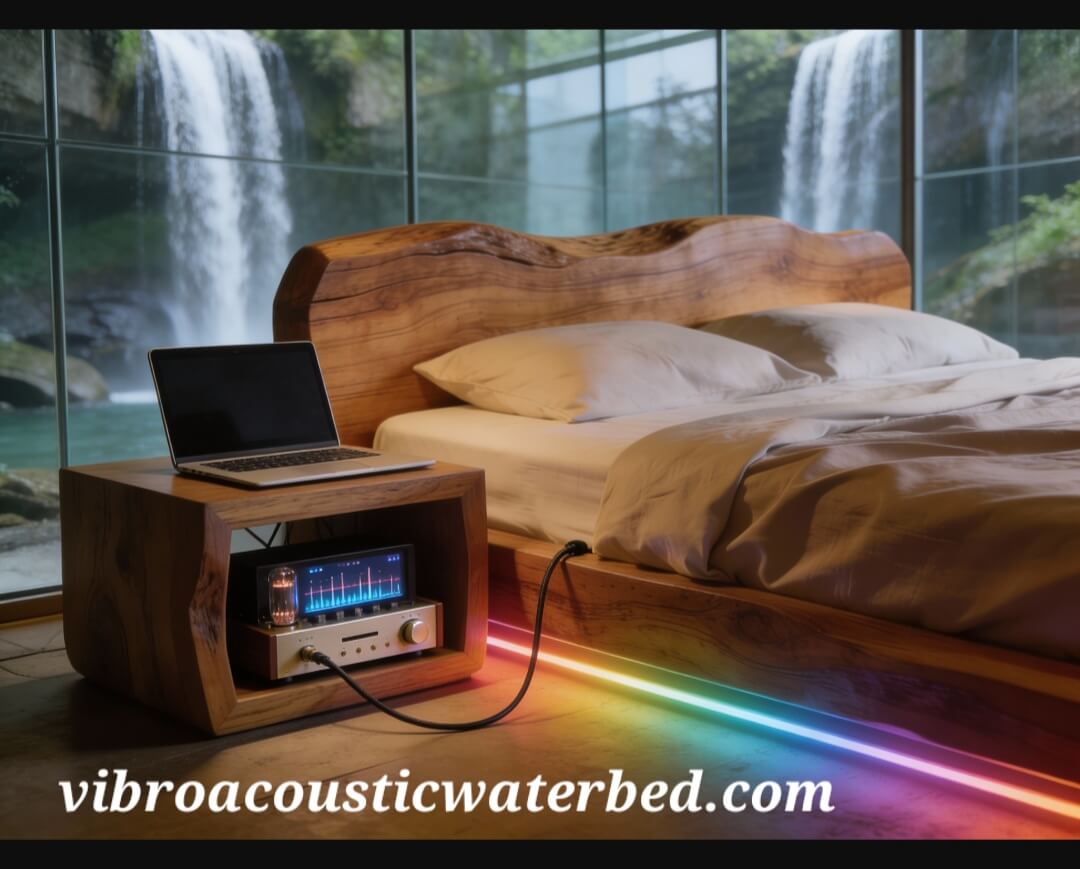
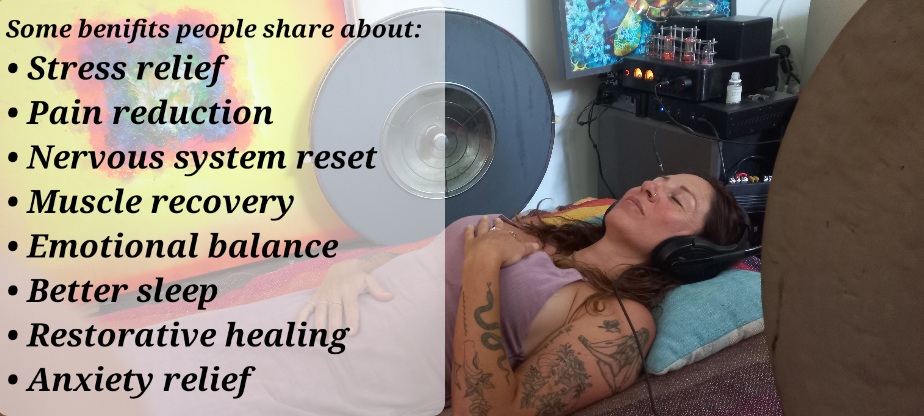
Vibroacoustic Waterbed Therapy combines sound, vibration, warmth and water to create a deeply immersive relaxation experience. The body is gently supported while sound vibration moves through the waterbed, helping many people feel more grounded, soothed and connected to themselves.
In a Polyvagal-inspired approach, this can be understood as creating cues of safety: rhythm, warmth, softness, containment, sound and steady presence.
You are safe. You are enough. You are loved.
A Simple Daily Practice
- Place one hand on your heart.
- Let your face soften into a gentle smile.
- Take three slow breaths.
- Notice one thing around you that feels safe or beautiful.
- Say quietly: “In this moment, I am here.”
- Let the body receive even 1% more ease.
Coming Back to Connection
Nervous system regulation is not about becoming perfect, calm or spiritual all the time. It is about learning how to return.
Return to breath. Return to body. Return to nature. Return to kindness. Return to loving presence.
Gentle note: This page is educational and intended for general wellbeing support. Vibroacoustic Waterbed Therapy is a complementary wellness experience and is not a replacement for medical, psychological or emergency care. If you are experiencing significant distress, trauma symptoms or medical concerns, please seek support from a qualified health professional.