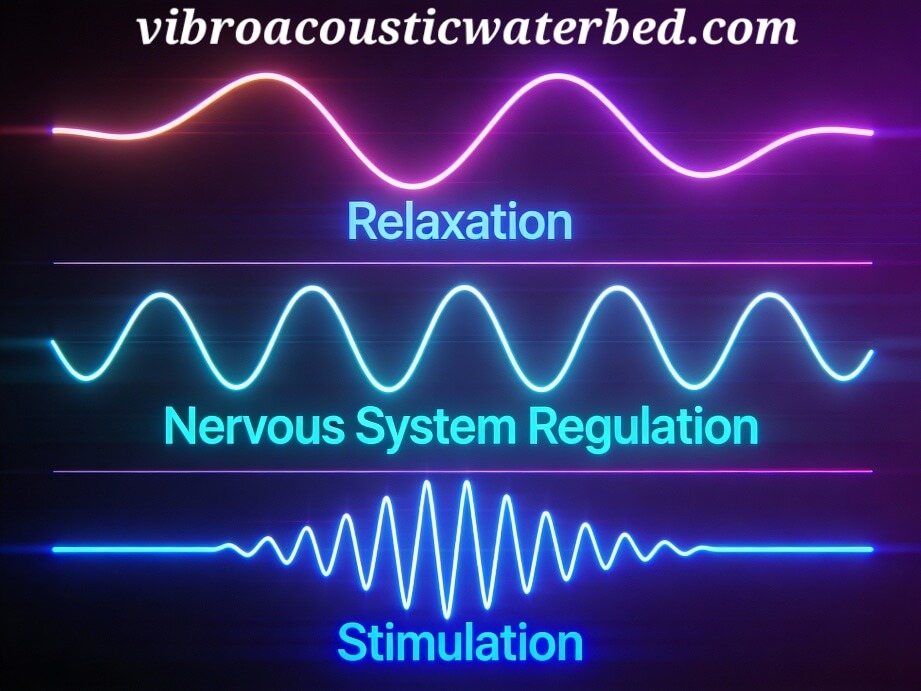
Regulating Your Nervous System
Short version: Your nervous system decides how you feel, think, and react before you ever get a chance to reason it out. If you want change that actually sticks, regulation comes first.
This page is grounded in Deb Dana’s Polyvagal framework—a practical, human way of understanding safety, trauma, and how we come back to connection.
Polyvagal Theory, Translated for Real Life
Deb Dana didn’t invent a new nervous system theory. What she did was translate Polyvagal Theory into something usable.
Her core idea is simple and powerful:
Your nervous system shifts first. Your thoughts, beliefs, and reactions come second.
This matters because trying to “think your way out” of anxiety, shutdown, or overwhelm usually fails. When the nervous system is in protection mode, higher thinking is offline.
The Three Organising Principles
- Neuroception – your body’s automatic scan for safety or danger
- Hierarchy – how the nervous system shifts between states
- Co-regulation – how we regulate together before we regulate alone
How the Nervous System Actually Works
If you’ve ever said, “I don’t know why I reacted like that,” this loop explains it. Your reaction made sense to your nervous system at the time.
The Autonomic Ladder (No Shame, Just Physics)
Deb Dana teaches regulation as movement up and down a ladder:
There is nothing wrong with moving out of calm. The real issue is getting stuck and not knowing how to come back.
Why Trauma Makes Regulation Hard
Trauma isn’t about what happened. It’s about what your nervous system learned.
When safety was unreliable, your system adapted. Those adaptations can look like anxiety, shutdown, or hyper-independence—but they were survival strategies.
Co-Regulation: Why You Don’t Heal Alone
Humans are wired to regulate together. Face, voice, eye contact, rhythm—your nervous system is constantly reading other nervous systems.
Co-regulation is not weakness. It’s biology.
What Co-Regulation Looks Like
- A calm, steady voice
- Warm facial expression
- Predictable presence
- No pressure to “fix” or explain
This is why environments that provide consistent sensory safety—sound, vibration, rhythm, warmth—can be so powerful for regulation.
Finding Your Anchor
An anchor is anything that reliably brings your nervous system back toward safety.
Anchor Mapping
- Who – people, pets, even imagined supports
- What – objects, music, vibration, warmth
- Where – places that feel safe enough
- When – times of day regulation comes easier
Anchors don’t eliminate stress. They give you something solid to return to.
Glimmers: Small Moments That Change Everything
Glimmers are micro-moments of regulation—a breath softens, shoulders drop, the world feels a little more manageable.
They’re small on purpose.
A Simple Glimmer Practice
- Notice a small shift toward ease
- Pause for 10–20 seconds
- Let it land in the body
- Remember it
- Share it if possible
Why Regulation Comes Before Insight
When the nervous system is overwhelmed, executive thinking drops offline. That’s not a personal failure—it’s physiology.
Regulation first. Meaning second.
Bringing It All Together
Deb Dana’s work isn’t about staying calm all the time. It’s about building the ability to move through stress and come back.
Safety isn’t a thought. It’s a felt experience.
And the nervous system learns through repetition, rhythm, and connection.
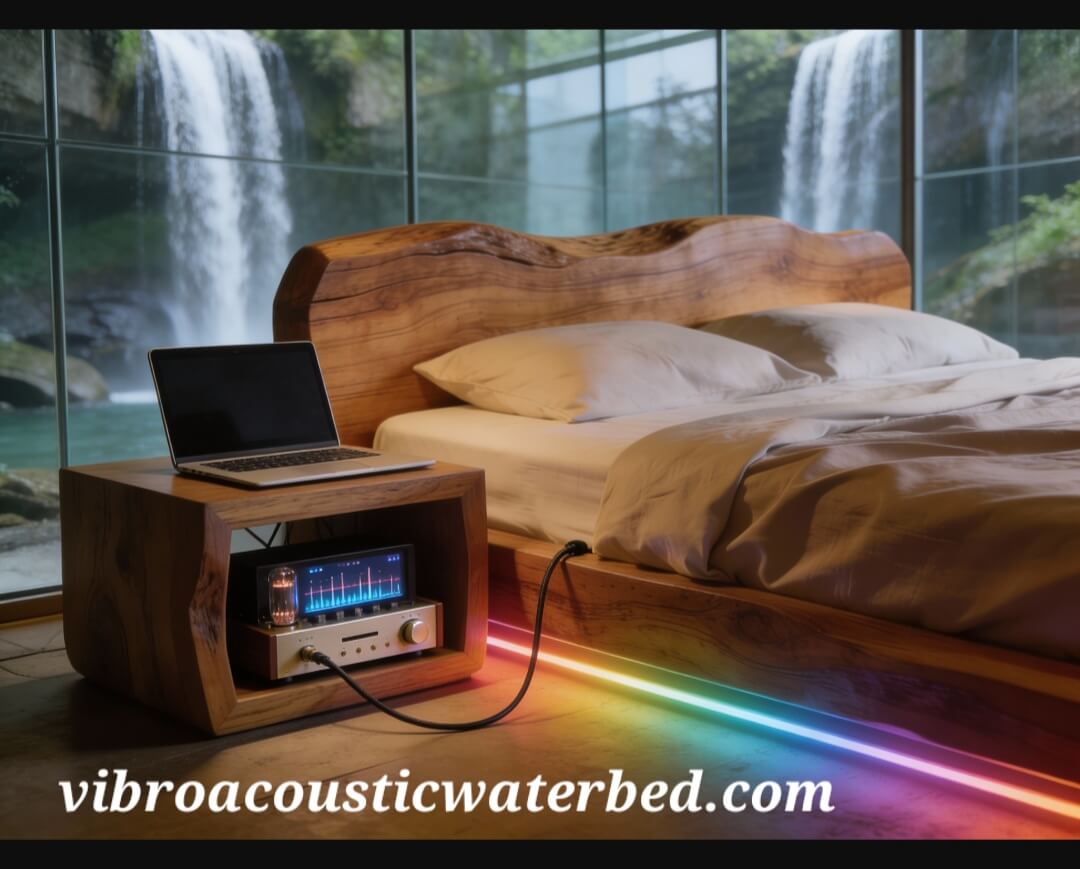
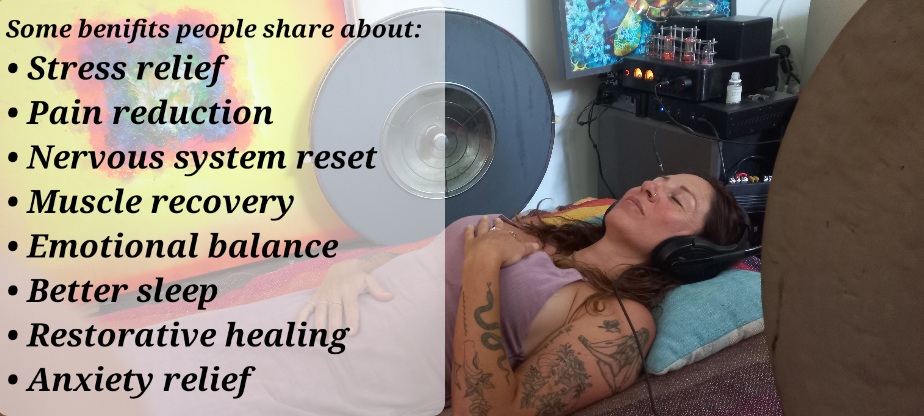
How VibroAcoustic Waterbeds Support Nervous System Regulation
Regulation doesn’t happen because you tell yourself to relax. It happens when the nervous system receives enough clear, repeated cues of safety.
This is where vibroacoustic waterbeds come in—not as a magic fix, but as a powerful regulation environment.
Rhythm: The Language the Nervous System Understands
Your nervous system is rhythmic by design—heartbeat, breath, digestion, sleep cycles. Trauma disrupts rhythm. Regulation restores it.
Low-frequency sound and vibration provide something the nervous system can lock onto:
- Predictable timing
- Steady pulses
- Non-demanding sensory input
This kind of rhythm gives the system a reference point. Instead of scanning for danger, it starts syncing.
Vibration: Bottom-Up Regulation Without Words
Vibroacoustic stimulation works from the bottom up. That matters, because defensive states don’t respond well to explanation.
Gentle vibration:
- Engages body awareness without forcing attention
- Provides deep sensory input that can reduce hypervigilance
- Supports settling without requiring effort or control
For people who struggle with breathwork, meditation, or stillness, vibration can be a safer entry point into regulation.
Water Support: Safety Through Containment
Being held by warm water changes the equation.
The body receives continuous feedback: pressure, support, buoyancy. This can reduce the need for muscular guarding and make it easier to downshift from fight-or-flight.
In Polyvagal terms, this kind of physical containment can act as a ventral-friendly anchor—a state where the system feels supported enough to soften.
Sound as Co-Regulation (Without Social Demand)
Co-regulation usually happens between people—but sound can play a similar role.
Music and low-frequency tones:
- Offer predictable auditory cues
- Support vocal prosody pathways linked to safety
- Create a sense of “being accompanied” without pressure
This is especially helpful for people with relational trauma, where direct interpersonal regulation may feel unsafe.
Why VibroAcoustics Pair Well With Polyvagal Work
Deb Dana emphasizes that regulation must be titrated—small, repeatable, and respectful of the nervous system.
Vibroacoustic waterbeds support this by:
- Allowing short sessions (minutes, not hours)
- Being adjustable in intensity
- Creating consistent, repeatable sensory safety
Over time, these sessions can become anchors—reliable pathways back toward connection and presence.
Using a VibroAcoustic Waterbed as an Anchor Practice
Simple beats complicated. Here’s a grounded way to use the bed for regulation:
- Set a predictable time (consistency beats intensity)
- Choose low, steady sound—not dramatic or emotional
- Let the body receive without trying to “do” anything
- Notice one small shift (breath, warmth, settling)
- Name it as a glimmer
You’re not trying to stay calm forever. You’re training return.
The Big Picture
Vibroacoustic waterbeds don’t replace therapy, relationships, or skill-building.
What they do is provide something many nervous systems never had enough of:
And that’s how regulation is built—not through force, but through repetition.